

The best affordable EVs 2026 buyers should consider are finally getting interesting again. After years of expensive electric SUVs and luxury crossovers, buyers have more affordable options with usable range, better charging access and stronger standard tech. The key is to look beyond the lowest advertised price and compare range, charging, space, warranty and real availability.
Prices change by trim, destination charge, incentives and region, so this guide focuses on models with starting prices or key trims around the under-$40,000 mark before local taxes and fees. Buyers should confirm current offers at the dealer or manufacturer site before ordering.
Best affordable EVs 2026: the short list
For a best affordable EVs 2026 shortlist, the strongest picks are the 2026 Nissan LEAF, Chevrolet Equinox EV, Chevrolet Bolt, Hyundai Ioniq 5 base trims and Hyundai Kona Electric. Some Tesla Model 3 configurations may look close depending on pricing changes, but Tesla’s official page currently lists Model 3 Premium starting above $40,000, so it is not the cleanest fit for this list.
The winner depends on body style. The LEAF is the best budget all-rounder. The Equinox EV is the best affordable electric SUV. The Bolt is the cheapest simple commuter. The Ioniq 5 is the best deal if you want fast charging and a more premium EV platform. The Kona Electric is a strong city-friendly crossover.
2026 Nissan LEAF: best value pick
The redesigned 2026 Nissan LEAF is one of the clearest affordable EV stories of 2026. Nissan’s page lists retail pricing from $29,990 for the S+ grade before destination, with a destination charge listed at $1,545. It also lists up to 303 miles of EPA-estimated range for the LEAF S+ and a 75 kWh battery.
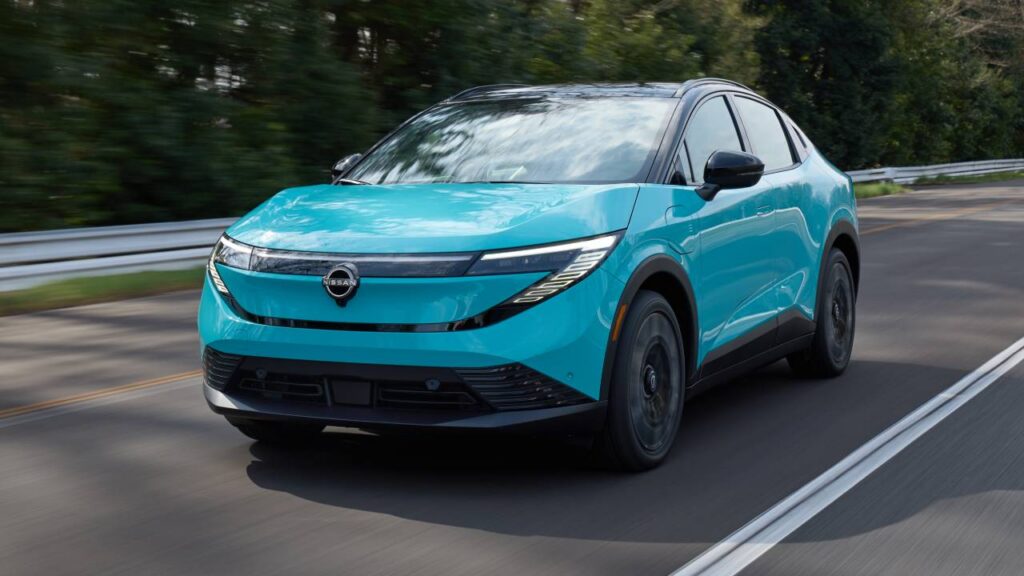
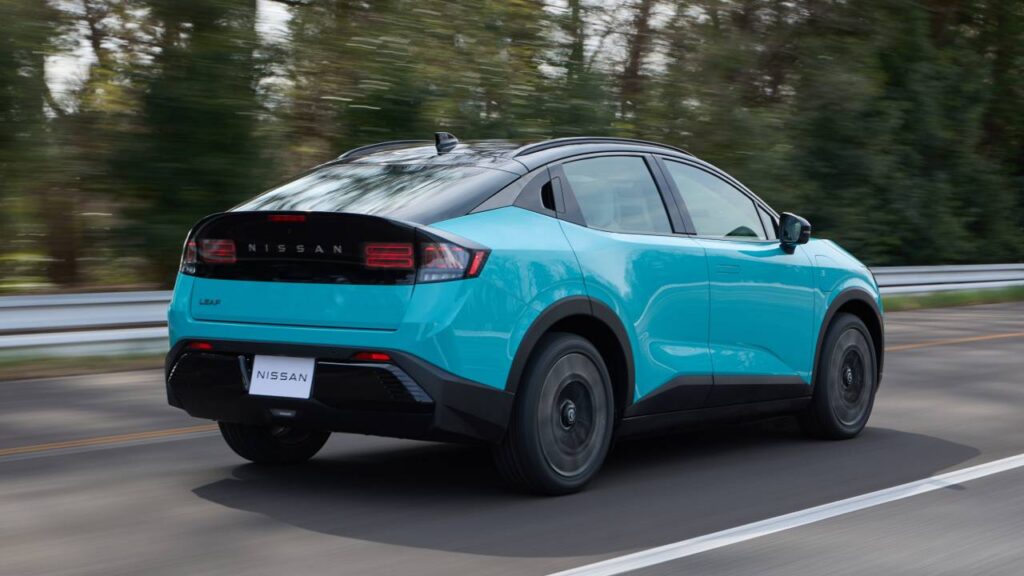

That combination is strong: roughly 300 miles of range, a sub-$30,000 starting MSRP and standard access to more than 27,500 Tesla Superchargers through an integrated NACS port. For a first EV, that reduces the two biggest concerns: price and charging.
The LEAF is best for commuters, small families and buyers who want a practical EV without luxury pricing. The main caveat is that higher trims can move closer to $40,000.
Chevrolet Equinox EV: best affordable electric SUV
The 2026 Chevrolet Equinox EV starts at $34,995 and offers 319 miles of EPA-estimated range with front-wheel drive. Chevrolet also lists a 17.7-inch center screen, more than 20 standard safety and driver-assistance features and up to 57.2 cubic feet of cargo space.
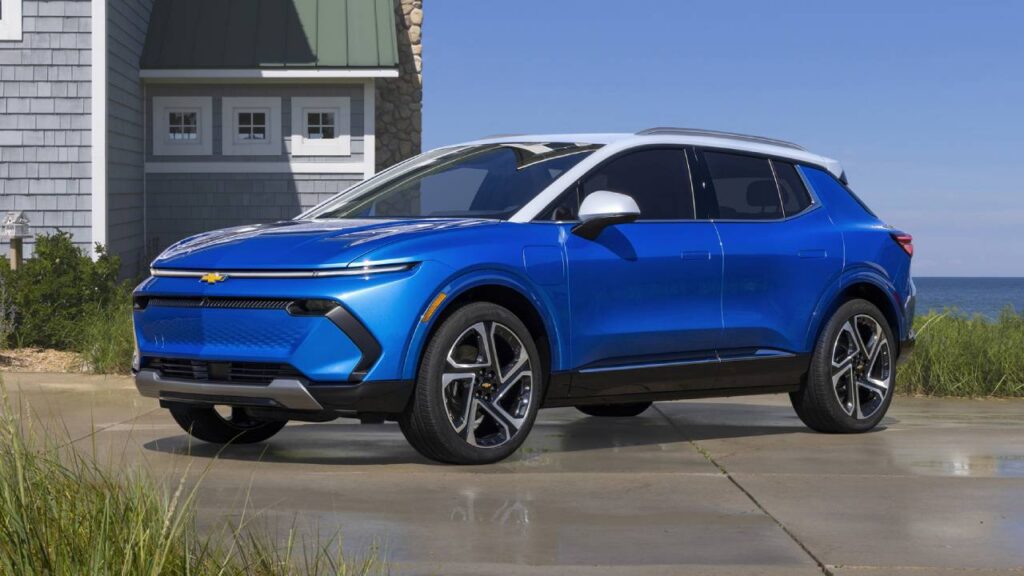
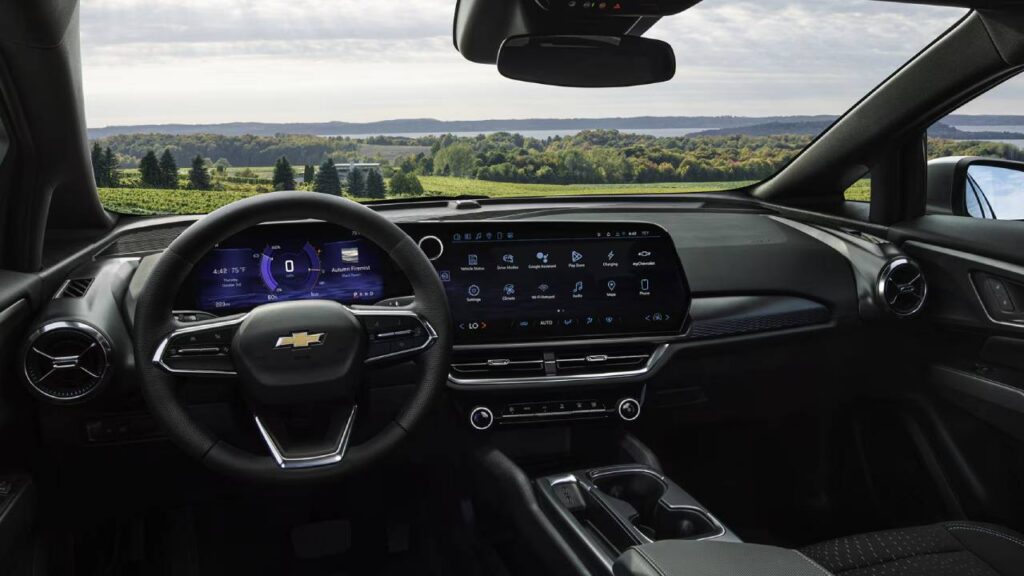
That makes the Equinox EV one of the most practical EVs under $40,000. It is larger and more SUV-like than the LEAF, while still staying below the price of many electric crossovers.
The LT 1 is the cleanest value trim. Higher trims and all-wheel drive push the price upward, so buyers should watch configuration carefully.
Chevrolet Bolt: cheapest simple EV
Chevrolet’s own site lists the Bolt from $27,600 in its electric lineup. That makes it one of the cheapest new EVs available from a mainstream automaker.
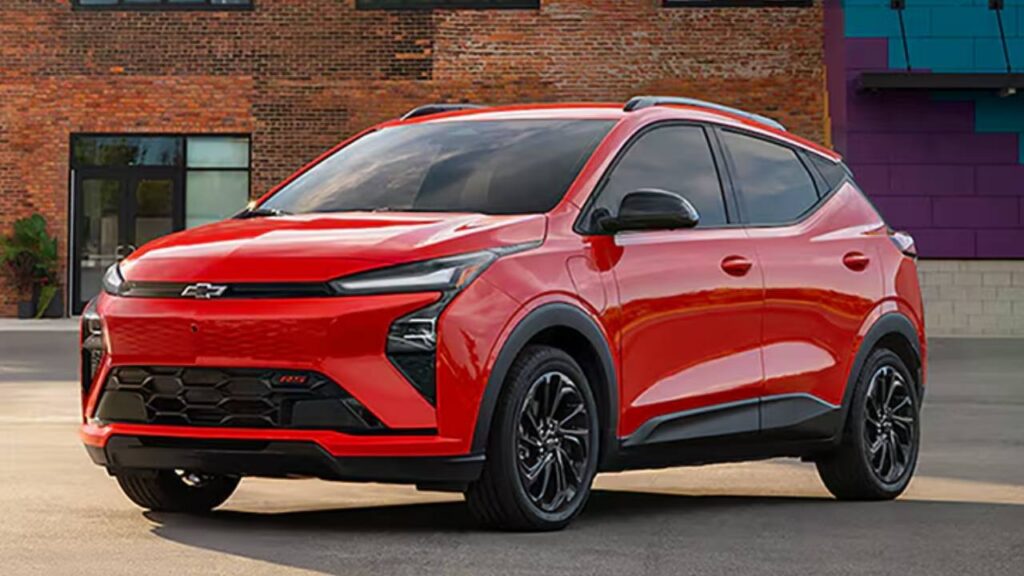
The Bolt is not the flashiest choice, but that is part of the appeal. It works as a city EV, commuter car or second household vehicle. It is best for buyers who want the lowest entry price and do not need a large SUV.
The tradeoff is that shoppers should compare range, charging speed, interior space and availability against the newer LEAF and Equinox EV before choosing only by price.
Hyundai Ioniq 5 and Kona Electric: strongest alternatives
Hyundai’s 2026 Ioniq 5 pricing dropped sharply for some trims, with coverage from Car and Driver listing the SE RWD Standard Range at $36,600 and the SE RWD at $39,100. That puts the Ioniq 5 into under-$40,000 consideration, especially for buyers who care about charging speed, design and a dedicated EV platform.

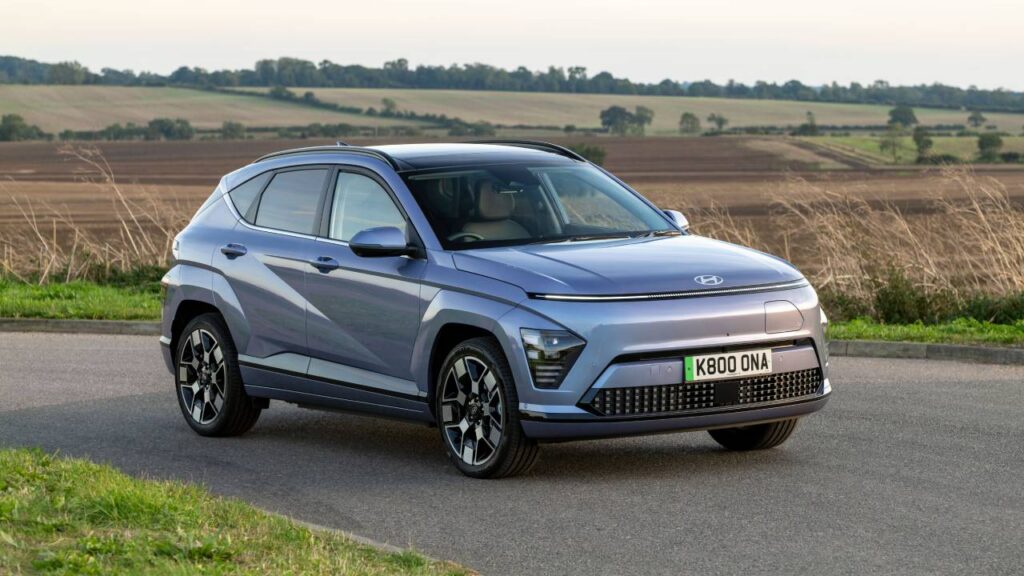
The Kona Electric is smaller and more urban, but it remains one of the most sensible affordable electric crossovers. It is easier to park than the Equinox EV and can be a better fit for drivers who do not need a large cabin.
Hyundai’s advantage is that its EVs often feel more modern inside than their price suggests. The caveat is that trims, incentives and dealer inventory can change the real transaction price.
What to check before buying
Under $40,000 does not always mean cheap ownership. Buyers should check destination fees, dealer markups, financing, insurance, home-charging installation, public charging access and battery warranty.
Range also needs context. A 303-mile LEAF may be better for road trips than a cheaper short-range model. A 319-mile Equinox EV may be better for a family than a smaller hatchback. Charging network access can matter as much as the EPA number.
The practical winner for most buyers is the 2026 Nissan LEAF if value is the priority and the Chevrolet Equinox EV if SUV space is the priority. The best EV is the one that fits daily driving, home charging and budget after all fees, not only the one with the lowest MSRP.
You can follow more developments in Technowatt’s EVs & Transportation coverage.