

Siri 2.0 is the Apple AI upgrade that matters most because it is the feature iPhone users will judge every day. Apple can add image tools, writing tools, summaries, and smarter notifications, but the assistant is still the most visible test of whether Apple Intelligence feels useful. If Siri becomes faster, more contextual, and better at completing real tasks, Apple’s AI strategy will feel much stronger.
The important distinction is that Siri should not simply become another chatbot. Apple has a different opportunity: it controls the operating system, the default apps, and the privacy architecture around the iPhone, iPad, Mac, and Apple Watch. A better assistant should use that position to help users do things, not only answer questions.
Siri 2.0 explained: what needs to change
Siri 2.0 should begin with context. Today’s users expect an assistant to understand what is on screen, what app they are using, and what they were trying to do a moment ago. A modern Siri should be able to look at an email, calendar invite, photo, web page, or message thread and help with the next action.
That could mean summarizing a long email, turning a message into a reminder, finding a photo from a specific trip, changing a setting, or moving information between apps. These are small tasks, but they are exactly where a phone assistant can save time.
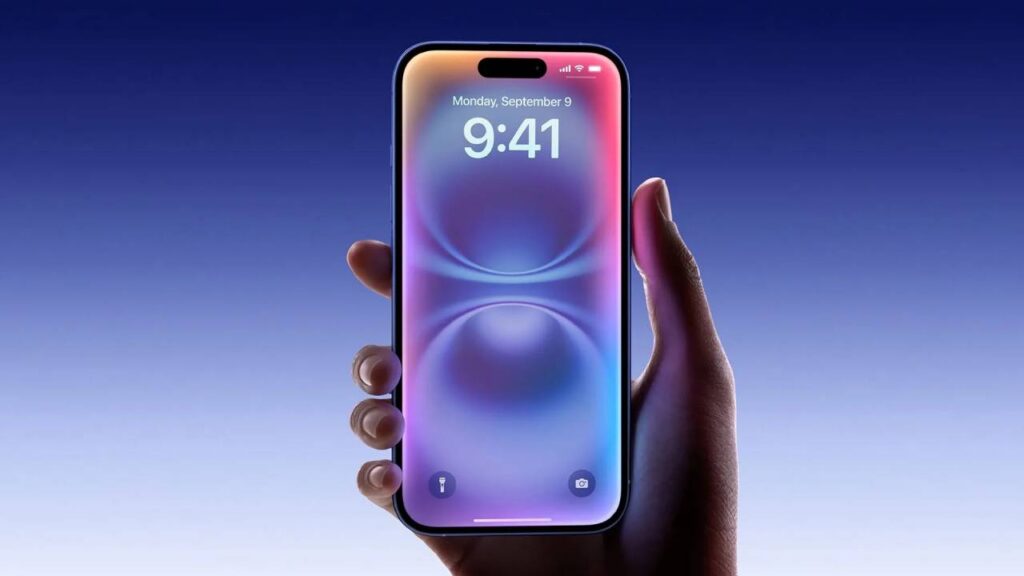
The second change is reliability. Siri has often been useful for timers, weather, calls, and simple commands, but less dependable for multi-step requests. The next version needs to handle more natural language without making users repeat themselves or manually clean up the result.
The third change is app control. A smarter assistant should work across first-party apps and supported third-party apps. If developers get stronger tools to expose actions safely, Siri can become less of a voice search box and more of a real system layer.
Why Apple Intelligence is the foundation
Apple already frames its AI work around personal context and privacy. On its Apple Intelligence page, Apple describes AI features that can help users write, express themselves, and get things done across Apple devices. Siri is the natural place for many of those abilities to come together.
The advantage is not only model quality. Apple can combine local device context, app intents, and privacy controls in a way that standalone chatbots cannot easily match. A cloud chatbot may be great at general reasoning, but it does not automatically know which app permission is safe, which file is personal, or which action should require confirmation.
That is why the best version of Siri is not the one that talks the longest. It is the one that understands a request, checks the right context, asks a short clarification when needed, and completes the task without drama.
What Siri 2.0 could do better
A practical assistant upgrade should improve everyday workflows. In Messages, Siri could summarize a busy group chat and suggest a reply. In Mail, it could identify the main request and create a calendar event. In Photos, it could find a picture by meaning, not just by date or location. In Safari, it could summarize a page and save the useful details to Notes.
For accessibility, the impact could be even bigger. A more capable voice assistant can help users navigate apps, write messages, control device settings, and understand on-screen content with fewer taps. That makes Siri more than a convenience feature.
For productivity, Apple needs to make the assistant feel safe. Users should be able to trust that Siri will not send a message, delete a file, or change an important setting without a clear confirmation. Good AI design is not only about power. It is about predictable boundaries.
Rumors, timing, and what is confirmed
Apple has not officially announced a product named Siri 2.0. The name is widely used as shorthand for a major Siri upgrade, not as a confirmed Apple label. Apple has confirmed that WWDC26 begins on June 8, 2026, which makes the developer conference the obvious place to discuss the next stage of Apple Intelligence if the company is ready.
Reports have also pointed to Apple’s interest in a more capable assistant experience. TechCrunch covered a reported look at a new Siri app concept that suggested Apple is exploring ways to compete with modern AI assistants. That reporting is useful context, but it should not be treated as a final feature list.
The cautious expectation is that Apple will roll out deeper assistant abilities gradually. Some features may arrive first in limited languages, regions, or apps. Some may require newer hardware. Others may depend on developer adoption.
Privacy will decide user trust
Siri handles sensitive information: contacts, messages, photos, reminders, calendar events, locations, and app activity. A more capable assistant needs access to more context, but that also raises the stakes for privacy.
Apple’s likely path is a mix of on-device processing and private cloud support for heavier requests. On-device AI can be faster and more private for common tasks. Cloud support can help with more complex reasoning. The user experience needs to make that handoff feel clear and trustworthy.
Transparency will matter. Users should know when personal information is being used, when an action is about to happen, and how to stop or correct the assistant. The more powerful Siri becomes, the more important these controls become.
The real test for Apple’s assistant
The real test is not whether Siri can produce a clever answer in a demo. The test is whether users start using it for tasks they currently do manually. If people ask Siri to organize information, control apps, summarize content, and complete small workflows every day, then Apple will have a meaningful assistant upgrade.
The upgraded assistant should make the iPhone feel more personal without making it feel unpredictable. It should be conversational when conversation helps, quiet when a task is simple, and careful when an action has consequences.
If Apple gets that balance right, Siri could become the center of Apple Intelligence instead of the part users complain about first. That would be a much bigger shift than a new interface or another list of AI features.
You can follow more developments in Technowatt’s Mobile coverage.