

Galaxy AI vs Apple Intelligence is one of the most important mobile AI comparisons because Samsung and Apple are taking different paths. Samsung is moving quickly across phones, tablets, watches, earbuds and Galaxy services. Apple is moving more carefully, emphasizing privacy, on-device processing and deep integration with iPhone, iPad and Mac.
The short answer: Galaxy AI is broader and more visible today, while Apple Intelligence is more tightly integrated and privacy-focused. The better choice depends on whether the user values feature availability, Samsung’s device range or Apple’s ecosystem control.
Galaxy AI vs Apple Intelligence: the main difference
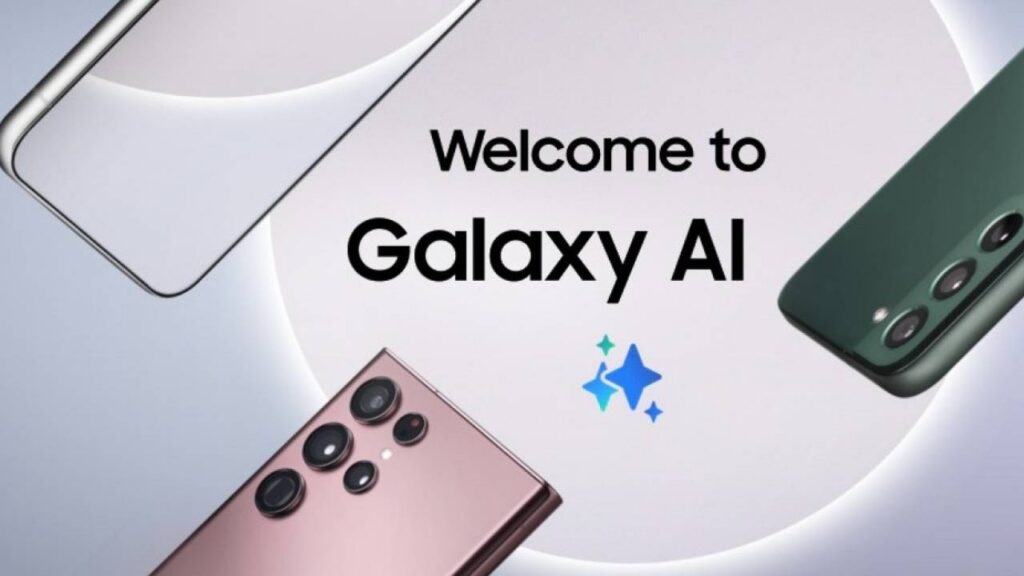
Samsung presents Galaxy AI as a practical assistant built into Galaxy devices. The official Galaxy AI page lists features across creativity, personalization, communication, productivity and health, including Photo Assist, Audio Eraser, Auto Trim, Now Brief, Call Screening, Transcript Assist, Interpreter, Document Scan and Writing Assist.
Apple presents Apple Intelligence as a personal intelligence system for iPhone, iPad and Mac. The official Apple Intelligence page focuses on writing, visual intelligence, image creation, summaries, Siri improvements and privacy architecture.
The difference is product philosophy. Samsung wants AI to be visible across many Galaxy actions. Apple wants AI to feel like a system layer that appears inside familiar apps.
Device support and ecosystem reach
Samsung says Galaxy AI comes built into smartphones, smartwatches, earbuds and tablets, but feature availability varies by device, model, OS version and region. Its FAQ says smartphone support starts from the Galaxy S24 series onward, with tablets and wearables depending on model and software.
Apple Intelligence is tied to Apple’s own hardware and software stack. That gives Apple tighter control, but also limits availability to supported devices. The benefit is consistency across iPhone, iPad and Mac when a feature is supported.
Samsung’s advantage is range. Apple’s advantage is integration. A Galaxy user may see more AI features across more device types. An Apple user may get smoother handoff across core apps and devices.
Privacy and on-device processing
Privacy is a major Apple strength. Apple Intelligence is built around on-device processing where possible, with Private Cloud Compute for requests that need more server-side power. That gives Apple a clear story for users who worry about personal data.
Samsung also emphasizes control. Its Galaxy AI page says users can choose whether certain Galaxy AI data is processed locally on device or in the cloud, and it highlights Knox Vault plus Knox Matrix Trust Chain for security across Galaxy devices.
The practical difference is transparency. Apple markets privacy as the foundation. Samsung gives users more visible feature toggles and cloud/on-device choices. Both approaches can work, but they will appeal to different users.
Features: productivity, creativity and communication
Galaxy AI is strong in everyday phone utilities. Interpreter and translation features are useful for travel. Transcript Assist and Writing Assist help with work and study. Photo Assist, Audio Eraser and Auto Trim target social content and quick editing.
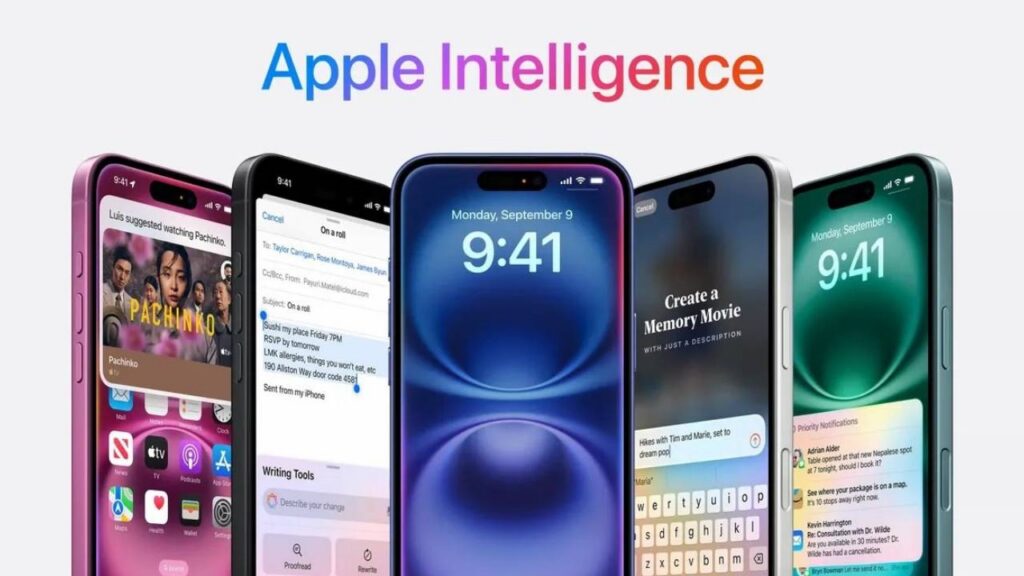
Apple Intelligence focuses on system-wide writing tools, summaries, image tools, visual intelligence and Siri. It may feel less like a feature menu and more like enhancements inside Mail, Messages, Notes, Photos and other Apple apps.
Samsung may feel more impressive in demos because features are clearly branded. Apple may feel better when AI quietly reduces friction across the system.
Assistants: Bixby, Gemini and Siri
Samsung’s assistant story is more mixed because Galaxy devices can involve Galaxy AI, Bixby and Google Gemini depending on region, device and feature. That gives flexibility, but it can also make the experience feel less unified.
Apple’s assistant story centers on Siri. If Siri becomes more capable, Apple Intelligence becomes much stronger. If Siri still feels limited, Apple’s AI strategy feels incomplete no matter how good the writing tools are.
This is the biggest long-term battleground. Users do not want to think about which AI feature is doing the work. They want the phone to understand the task and complete it reliably.
Which one is better?
Galaxy AI is better for users who want visible AI tools across Samsung phones, watches, buds and tablets right now. It is also strong for translation, photo editing, call tools and device-specific features.
Apple Intelligence is better for users who value privacy, iPhone/Mac/iPad continuity and AI that blends into core apps. It may be less flashy, but the integration can be more important for daily use.
The real winner depends on execution. Samsung has momentum and breadth. Apple has ecosystem depth and privacy. In 2026, Galaxy AI may feel more feature-rich, while Apple Intelligence may feel more carefully controlled.
The buying decision
Users should not switch ecosystems only for one AI feature. The better question is which phone already fits their apps, accessories, privacy expectations and device mix. Galaxy AI is compelling if someone uses Samsung phones, watches, buds, tablets and wants visible AI shortcuts across many daily tasks.
Apple Intelligence is more compelling if someone already relies on iPhone, iPad, Mac, Apple Watch, iCloud, Photos, Messages and FaceTime. Apple’s advantage grows when the same personal context can move across devices without the user thinking about it.
The other factor is update timing. Samsung and Apple both roll out features by model, region, language and software version. A comparison can change after one major OS release. Buyers should check the exact device and region before assuming every feature will be available on day one.
You can follow more developments in Technowatt’s Mobile coverage.