
ChatGPT vs Claude vs Gemini is no longer a simple chatbot comparison in 2026. These are now full AI platforms with web search, file analysis, coding tools, voice, image features, agents, app integrations and enterprise controls. The best choice depends on what the user actually needs: general productivity, deep reasoning, writing, coding, research, Google integration, business data access or mobile AI.
The short version is this: ChatGPT is the broadest consumer and work assistant, Claude is strongest for careful writing, long-form reasoning and agentic work, and Gemini is the best fit for users already living inside Google’s ecosystem. The right answer is not universal.
ChatGPT vs Claude vs Gemini: the 2026 landscape
ChatGPT has become OpenAI’s main consumer and professional AI surface. The official ChatGPT overview highlights writing, coding, data analysis, images, voice, web search, deep research, canvas and agent mode. It also lists paid tiers that expand access to reasoning models, memory, context, projects, tasks and Codex.
Claude is Anthropic’s assistant for problem solvers. The official Claude product page presents Claude across products such as Claude, Claude Code, Claude Cowork, Claude Security and integrations like Claude for Slack and Microsoft 365. Its positioning is more work-focused than purely consumer-focused.
Gemini is Google’s AI platform across Search, Android, Workspace and developer tools. The official Gemini overview frames Gemini as a multimodal assistant, while Google Cloud’s Gemini Enterprise page emphasizes business-data grounding, connectors, agents and governance.
Where ChatGPT is strongest
ChatGPT is the most balanced option for users who want one assistant for many tasks. It is strong at brainstorming, summaries, web-assisted answers, image generation, spreadsheet analysis, coding help, document review and general productivity. Its biggest advantage is breadth.
For professionals, ChatGPT’s value comes from the mix of interface and tools. A user can upload files, ask for charts, draft an email, use voice, generate images, run research and hand off coding tasks to Codex. That makes it useful for people who do not want a separate AI app for every workflow.
The tradeoff is that broad tools require careful prompting and source checking. ChatGPT can be excellent for synthesis, but users should still verify facts for legal, medical, financial and fast-changing technical topics.
Where Claude is strongest
Claude is often the best fit for long writing, careful editing, policy-heavy work, code review and multi-step reasoning. Anthropic’s product structure also makes Claude appealing for teams that care about safety, enterprise use and agent workflows.
Claude’s style is usually more restrained and structured. That can be useful for strategy documents, research summaries, long memos, contract review, technical explanations and tasks where tone matters.
Claude Code and Claude’s work integrations also make it a serious tool for engineers and knowledge workers. If the priority is careful reasoning over flashy multimodal features, Claude deserves a close look.
Where Gemini is strongest
Gemini’s advantage is ecosystem integration. Users who rely on Gmail, Docs, Drive, Android, Pixel, YouTube, Google Search or Google Cloud may get more value from Gemini because it can connect to the places where their work already lives.
Google Cloud’s Gemini Enterprise page says the app can connect to Microsoft 365, Google Workspace, OneDrive, SharePoint, HubSpot, Jira and more, while offering agents that automate multi-step, multi-app workflows. That matters for businesses because useful AI depends on context and permissions, not only model quality.
Gemini is also central to Google’s mobile and search strategy. For Android users, this can make Gemini feel more native than a standalone assistant.
Which one should you choose?
Choose ChatGPT if you want the most flexible all-around assistant. Choose Claude if you need careful writing, long-form reasoning, code review or a more conservative work assistant. Choose Gemini if your workflow depends heavily on Google services or business-data search.
For many users, the best setup may be two tools. ChatGPT can handle broad productivity and creative tasks. Claude can handle long writing and review. Gemini can handle Google ecosystem work and mobile AI. The winner is the one that reduces friction in your daily workflow, not the one that wins a single benchmark.
Pricing, access and ecosystem lock-in
Pricing also matters because the best features are rarely all free. OpenAI’s page separates Free, Go, Plus and Pro access, with Pro positioned for the most complete ChatGPT experience. Anthropic separates Claude’s consumer, team, enterprise and API paths. Google splits Gemini across consumer accounts, Workspace, Android and Google Cloud.
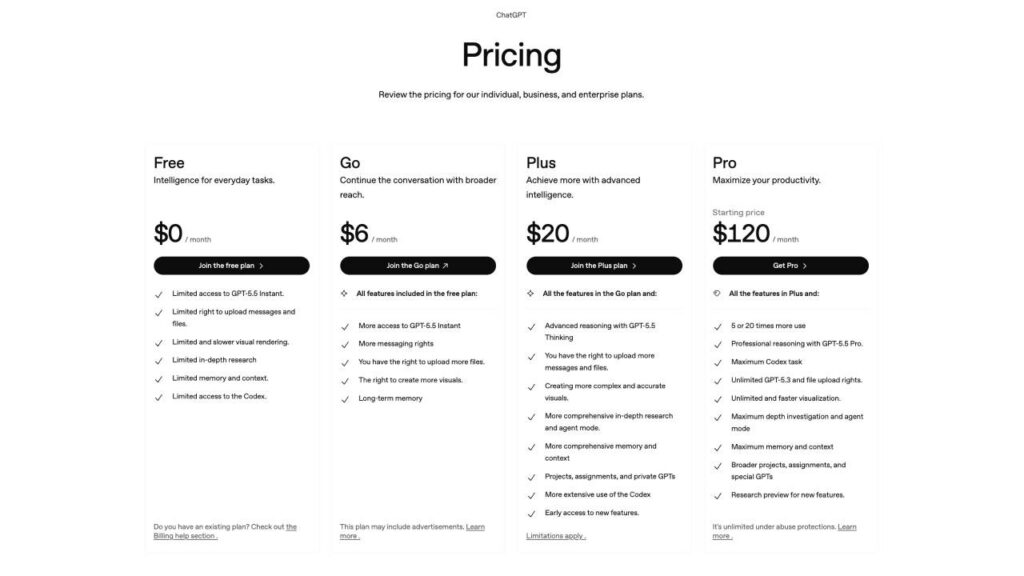
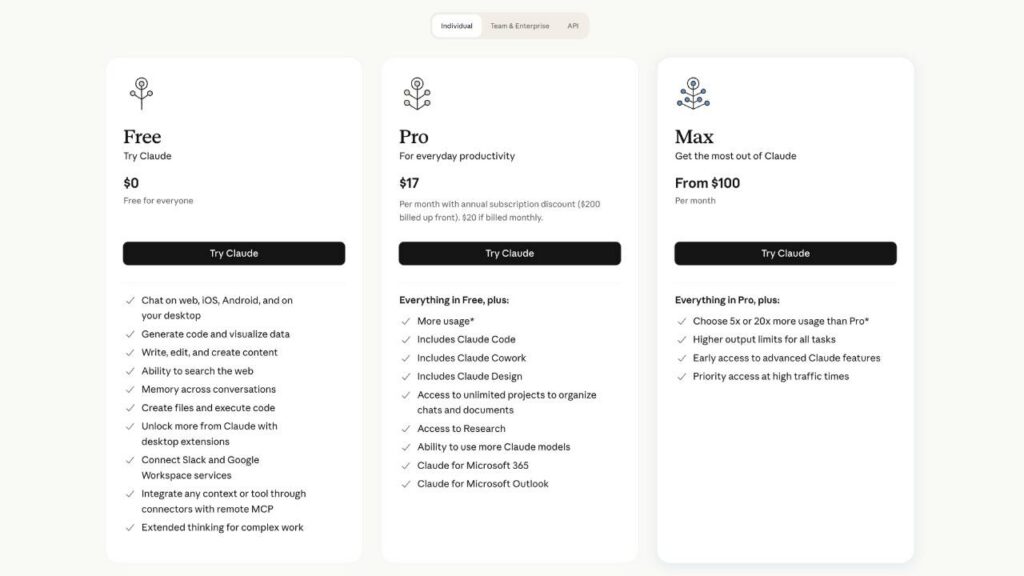
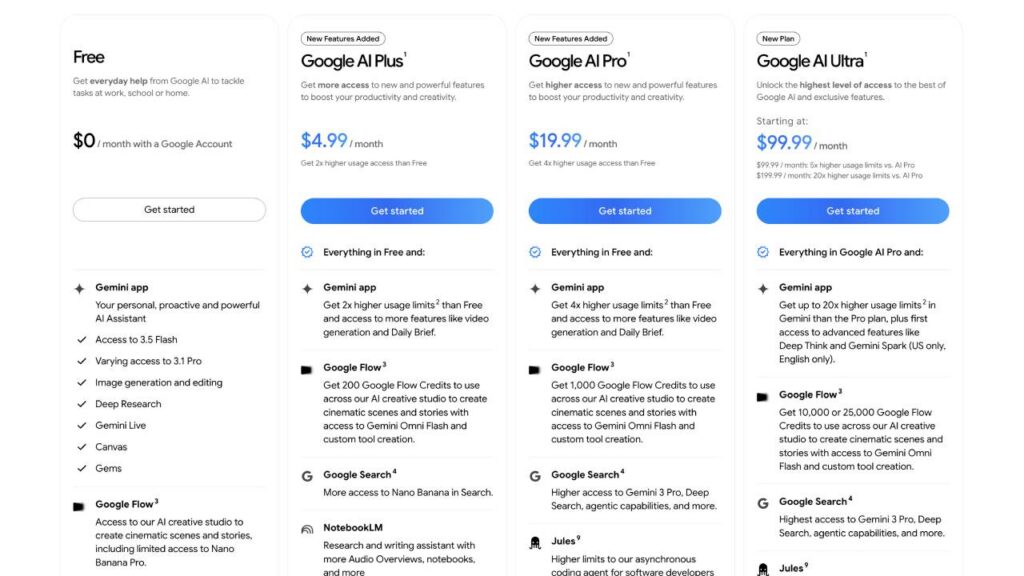
That means users should compare the whole ecosystem, not only the model. A freelancer may care about monthly cost and file limits. A developer may care about API pricing and coding tools. A business may care about admin controls, data retention, connectors and compliance. In 2026, the best AI assistant is often the one that fits the user’s software stack with the least setup.
The practical buying advice is simple: test each tool on the same five tasks you actually do. Use one writing task, one research task, one file-analysis task, one coding or spreadsheet task and one planning task. The differences become clearer when the benchmark is your own work.
You can follow more developments in Technowatt’s Artificial Intelligence coverage.