

macOS Golden Gate is Apple’s next major Mac update, and it looks like a more focused release than last year’s full Liquid Glass redesign. According to Macworld’s macOS 27 guide, the update centers on Siri AI, Apple Intelligence features, Safari upgrades, design refinements, performance improvements, and a clear break from Intel-based Macs.
Apple’s own WWDC26 announcement frames the release as part of a wider software cycle across iOS 27, iPadOS 27, watchOS 27, visionOS 27, tvOS 27, and macOS 27. On Mac, the most important additions are not only visual. Apple is bringing a more capable Siri AI experience, better system search, and more responsive daily workflows.
macOS Golden Gate focuses on AI and polish
Siri AI is the headline. The assistant can draw on personal context, understand on-screen content, use web knowledge, and take actions across apps. A dedicated Siri app can also keep conversations in one place and privately sync them through iCloud, which makes the Mac part of a broader cross-device assistant system rather than a separate desktop feature.
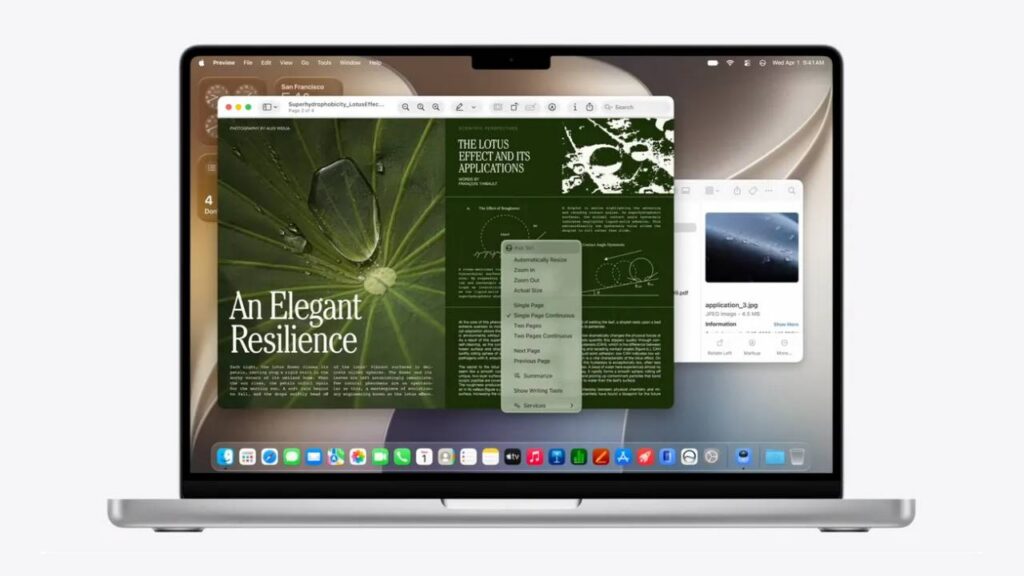
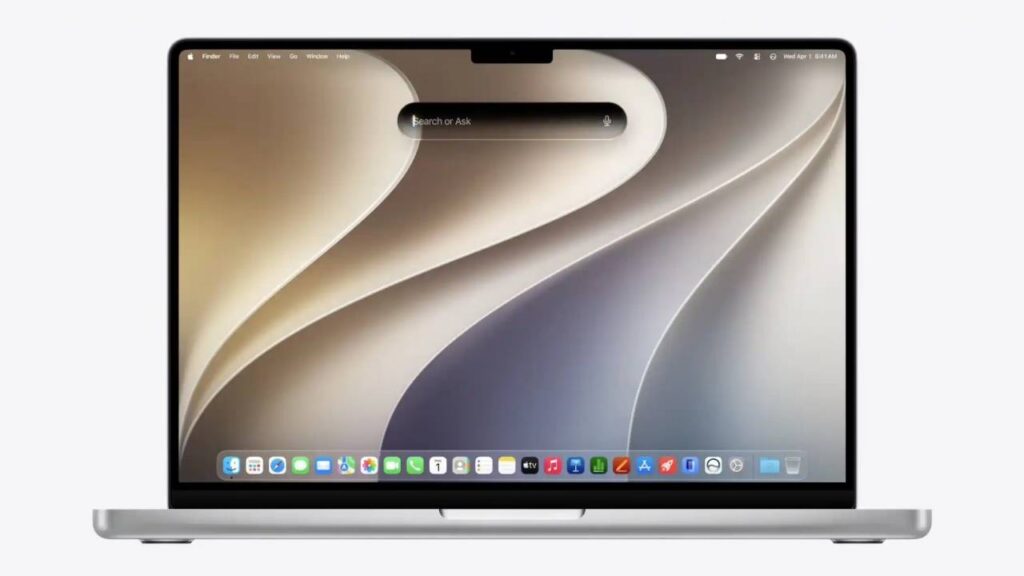
Safari is also getting more useful. One of the standout Mac-specific examples is Notify Me, which can monitor a webpage for changes such as a price drop, restock, or registration update. Apple also says Safari can organize related tabs into topics, while Apple Intelligence features extend into Mail, Messages, Calendar, Photos, and Shortcuts.
The design changes are more practical than dramatic. Apple says Liquid Glass can now be adjusted with a slider from ultra-clear to fully tinted. On Mac, the update restores more familiar macOS structure with a more uniform toolbar, edge-to-edge sidebars, colored sidebar icons, and cleaner app icons.
Apple silicon becomes the new baseline
Compatibility is the other major story. MacRumors reports that macOS Golden Gate ends Intel Mac support completely. Supported models include MacBook Neo, Apple silicon MacBook Air and MacBook Pro models from 2020 and later, Apple silicon iMac from 2021 and later, Mac mini from 2020 and later, Mac Studio from 2022 and later, and Apple silicon Mac Pro from 2023 and later.
The first developer beta is available now, with a public beta expected next month and a free public release planned for this fall. Some advanced Siri AI features require newer Apple silicon hardware, including M3 or later and at least 12GB of unified memory, so not every supported Mac will get the same AI feature set.
You can follow more developments in Technowatt’s Computing coverage.