

AI smart glasses 2026 are becoming one of the clearest signs that the next AI device may not be a phone replacement. It may be something users wear all day. Tech giants are betting on wearable AI because glasses sit in a unique place: close to the eyes, ears, voice, camera, and daily context.
That does not mean every pair of smart glasses will become full augmented reality. The 2026 market is more practical. The strongest products are likely to focus on voice, cameras, notifications, translation, memory, navigation, and lightweight AI assistance before trying to project complex holograms everywhere.
AI smart glasses 2026: why the category is accelerating
The reason AI smart glasses 2026 matter is simple: AI becomes more useful when it understands what the user is seeing and doing. A phone camera can do that, but only after the user pulls it out and points it at something. Glasses can be more immediate.
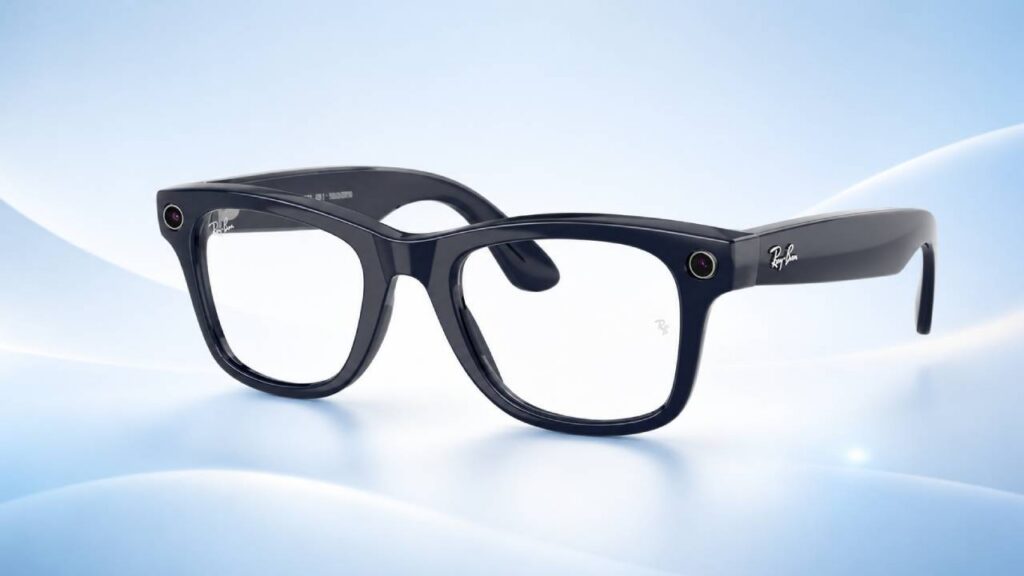
Meta has already shown that camera-equipped glasses can become a mainstream consumer product when the design looks normal enough. Its official announcement for prescription-optimized AI glasses shows how Meta is pushing Ray-Ban Meta and Oakley Meta styles deeper into everyday eyewear, with AI features such as nutrition tracking and WhatsApp summaries.
Samsung and Google are now moving in the same direction. Samsung’s newsroom post on new intelligent eyewear with Google describes premium styles with Gentle Monster and Warby Parker, voice access to Gemini, navigation help, summarized notifications, calendar actions, translation, and phone-connected support.
Why glasses are different from headsets
Mixed reality headsets can be powerful, but they are not always-day devices. They are heavier, more expensive, and less socially normal. Smart glasses are trying to solve a different problem: how to make AI available in normal life without asking users to disappear behind a headset.
That is why the first wave is often audio-first or camera-first. Users may ask for directions, identify a landmark, translate a menu, capture a photo, reply to a message, or summarize what they are looking at. These are small actions, but they fit glasses better than phones.
The design challenge is hard. Smart glasses need cameras, microphones, speakers, batteries, processors, wireless radios, and sometimes displays. They also need to look like something people want to wear.
The privacy problem
Wearable AI has a privacy issue that phones do not have in the same way. A phone camera is visible when raised. Glasses can record or analyze the environment more subtly. That raises concerns for bystanders, workplaces, schools, and public spaces.
Companies will need clear recording indicators, strong permission systems, local processing where possible, and social norms that make the technology acceptable. If users or bystanders do not trust the device, the category will face resistance even if the AI works well.
Privacy will also shape features such as facial recognition, memory recall, and always-on recording. The most powerful version of wearable AI is also the one that requires the most careful limits.
What users should expect
In the near term, AI glasses will likely improve in four areas. First, voice assistants will become more useful and less dependent on exact commands. Second, camera understanding will improve, letting users ask questions about what they see. Third, translation and navigation will become more natural. Fourth, notifications and short replies will move away from the phone screen.
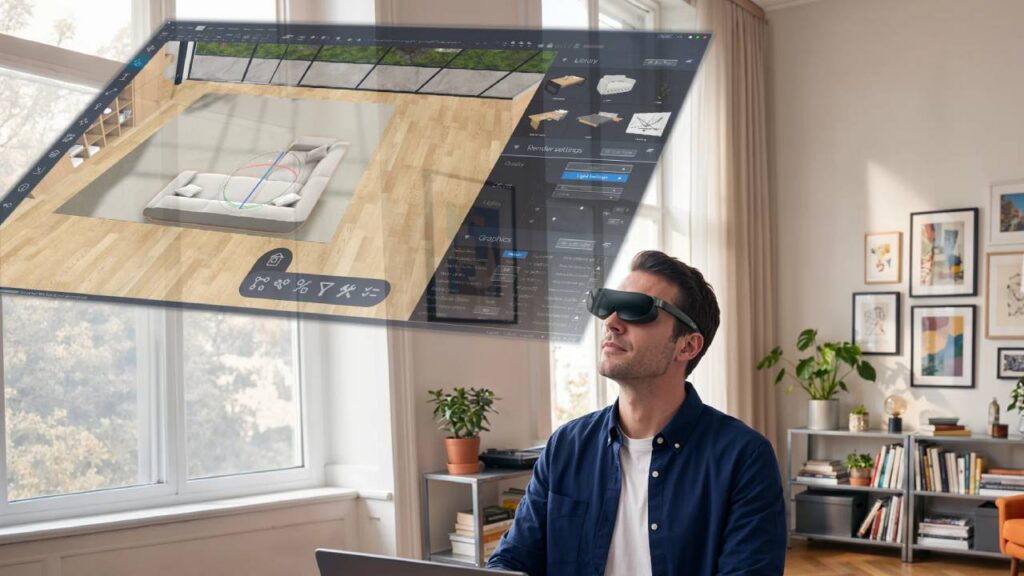
Battery life will remain a constraint. Display glasses will be more demanding than audio-first models. Lighter frames may have fewer features, while more capable frames may feel bulkier or cost more.
The winning product may not be the most advanced. It may be the one that looks normal, lasts all day, works reliably, and handles privacy responsibly.
Why tech giants want this market
AI smart glasses give companies a new surface for assistants, maps, messaging, commerce, photos, and search. They also create a tighter link between physical-world context and digital services.
For Meta, that means social capture and AI assistance. For Google and Samsung, it means Gemini, Android XR, Maps, translation, and the Galaxy ecosystem. For Apple, if it enters later, the opportunity would be Siri, iPhone integration, and privacy-first wearable computing.
The 2026 smart glasses race is not only about hardware. It is about who controls the assistant users talk to while moving through the world.
Developers will be a key part of this race. A useful glasses platform needs apps and services that understand hands-free moments: cooking, walking, commuting, shopping, training, translating, repairing, and capturing memories. The device must know when to be helpful and when to stay out of the way.
That makes the category more demanding than phones in one respect. A bad phone app can be ignored. A bad glasses experience sits on the user’s face. Comfort, trust, and restraint will matter as much as AI capability.
That is why 2026 may be a proving year for wearable AI, not the final destination.
You can follow more developments in Technowatt’s Mobile coverage.