

Nissan solid-state battery plans are getting a new UK-backed push as the company looks for a way to compete with China on EV battery costs. According to Electrek, Nissan has joined a three-year project with Gelion, Nissan Technical Center Europe, and the University of Oxford.
The project is called Cost-effective, Resilient Solid-state Li-S. Its main idea is to combine Gelion’s NES, or Nano-Encapsulated Sulfur, cathode material with Nissan’s solid-state battery development work. Sulfur is cheaper and more widely available than nickel and cobalt, two materials that can make high-performance EV batteries expensive and geopolitically sensitive.
Nissan solid-state battery work targets China
The numbers are small compared with a full factory investment, but they matter for research. Electrek reports that the total project cost is about $4.5 million, or 3.4 million pounds, while Gelion will receive around $3.2 million, or 2.4 million pounds, in combined grant funding.
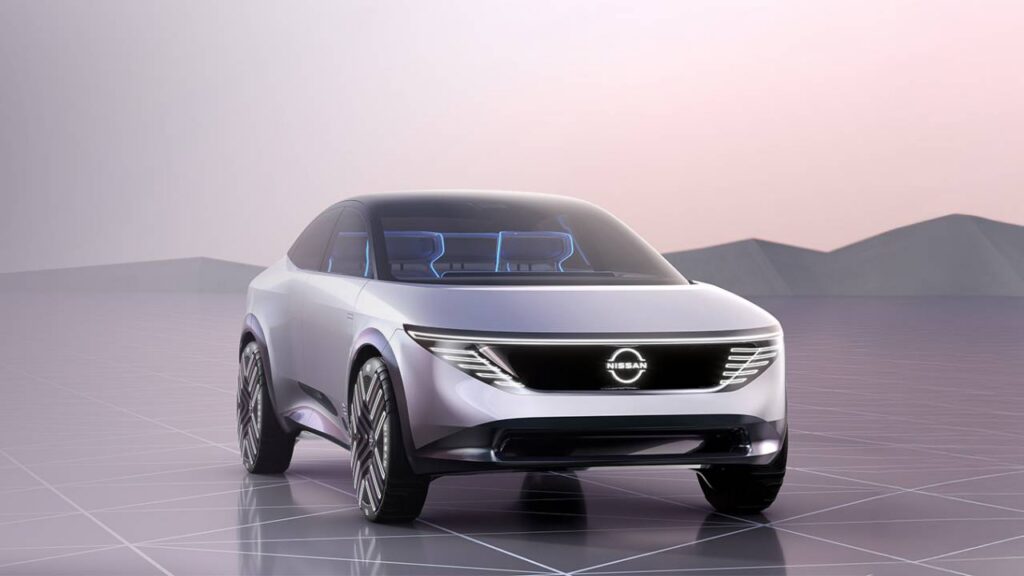
Gelion and its partners want to build a high-power, high-energy solid-state lithium-sulfur battery pack. The company is aiming for a commercial prototype in fiscal 2027, which lines up with Nissan’s plan to launch its first EV powered by solid-state batteries in 2028.
Nissan has already opened an all-solid-state EV battery production line at its Yokohama plant in Japan, which began operating in January 2025. It is also working with LiCAP Technologies in the U.S. on mass production. LiCAP’s Activated Dry Electrode process avoids drying and solvent drying steps, which Nissan believes can improve both cost and efficiency.
The competitive backdrop is China. Several Chinese brands are already testing solid-state prototypes, and BYD has said it plans limited batches next year before ramping toward mass production by 2030.
Nissan has not revealed final pack specifications, so claims around range and charging should be treated carefully. Still, if sulfur-based cathodes can cut costs while keeping solid-state safety and durability benefits, the project could become an important piece of Nissan’s EV comeback plan.
You can follow more developments in Technowatt’s EVs & Transportation coverage.