

The iOS 27 features conversation is already building because Apple has confirmed that WWDC26 begins on June 8, 2026, giving developers and iPhone users the first realistic window for the next major iPhone software preview. Apple has not announced iOS 27 yet, and it has not published an official device list. That means every feature and compatibility detail should be treated as an expectation until Apple shows the software on stage.
Still, there are clear signals. Apple used iOS 26 to establish its new design direction and expand Apple Intelligence across the iPhone. iOS 27 is expected to be less about visual reinvention and more about making those AI and system features feel faster, more useful, and more consistent across everyday apps.
iOS 27 features expected at WWDC26
The most likely iOS 27 features start with Apple Intelligence. Users should expect improvements to writing tools, notification summaries, image generation, personal context, and deeper app actions. Apple is also under pressure to make Siri feel more capable, especially as Google, OpenAI, and Samsung push more conversational assistants into phones.
Another likely area is on-device performance. Apple has repeatedly framed privacy as a core advantage, so iOS 27 could lean on local models for more tasks while using Private Cloud Compute for heavier requests. That balance matters because users want helpful AI, but they also want clear boundaries around personal data.
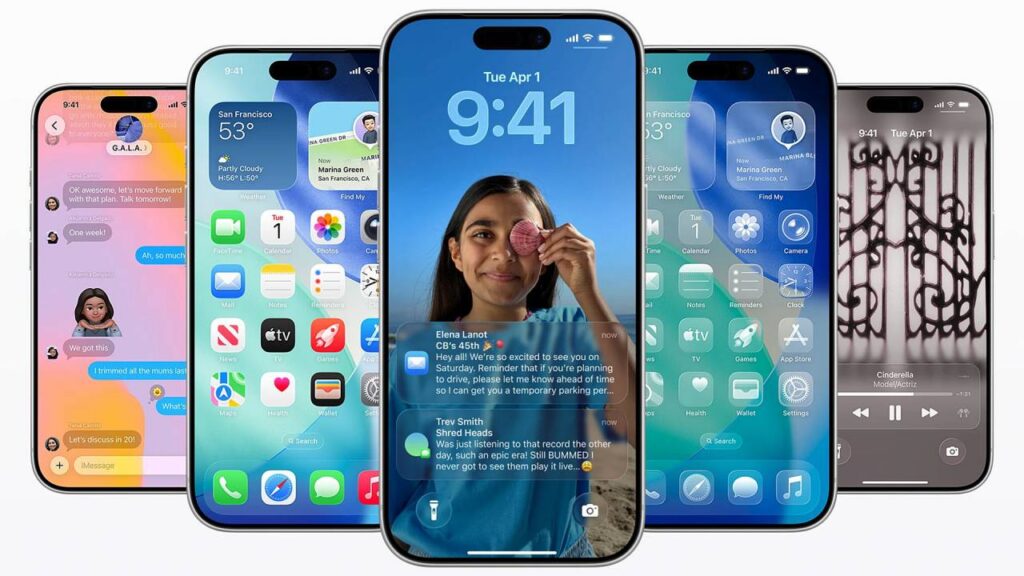
Apple may also continue refining the interface that began with iOS 26. Instead of another full redesign, the safer expectation is polish: smoother animations, better lock screen controls, improved Control Center behavior, cleaner app layouts, and accessibility updates that make new visual effects easier to read.
Battery life and device management could become quieter priorities too. Major iOS releases often include smaller improvements that matter in daily use, such as better background activity controls, smarter charging suggestions, and clearer permission prompts. These are not as exciting as a new AI assistant, but they often decide whether an update feels stable after the first week.
Health, Messages, Photos, and Safari are also natural candidates for upgrades. In Photos, AI search could become more precise. In Safari, Apple may add more summarization and anti-tracking features. In Messages, users could see smarter replies, translation improvements, and richer group-chat tools.
iOS 27 release date expectations
Apple’s annual rhythm makes the release timeline fairly predictable. The developer beta would likely arrive during WWDC26 week if iOS 27 is announced there. A public beta would probably follow later in the summer, and the stable release would likely land in September 2026 alongside the next iPhone lineup.
That schedule is not guaranteed, but it matches Apple’s recent pattern. The important date for now is June 8, 2026, when Apple says its Worldwide Developers Conference begins. Apple’s official WWDC26 announcement says the event will spotlight the latest advances across Apple platforms, which is the usual home for iOS previews.
Supported iPhones: what to expect
The supported iPhone list is the hardest part to predict before Apple publishes it. A conservative expectation is that recent models such as the iPhone 15, iPhone 16, iPhone 17, and newer devices will receive the update. Older models may depend on chip requirements, especially if Apple ties more AI features to newer Neural Engine hardware.
There may also be two levels of support. Some iPhones could run iOS 27 but miss advanced Apple Intelligence features, similar to how newer AI tools have been limited by hardware. That would let Apple keep broad software support while reserving the most demanding features for newer devices.
If you own an iPhone 14 or older, it is worth waiting for the official compatibility list before assuming anything. If you are buying a phone in mid-2026 and want the longest support window, a newer model is the safer choice.
It is also worth separating “can install the update” from “can run every new feature.” Apple can keep an older iPhone secure and compatible while limiting the most advanced AI functions. That distinction will be especially important for families, businesses, and users who keep iPhones for four or five years.
What users should watch for
The biggest question is whether Apple can turn AI into everyday usefulness instead of a list of demos. Faster Siri actions, better context across apps, and reliable summarization would matter more than a flashy feature that only works in narrow cases.
Developers should watch for API changes too. If Apple opens more Apple Intelligence hooks, iOS 27 could become important for third-party apps that want deeper system integration without building every AI feature from scratch.
For now, the practical takeaway is simple: iOS 27 is expected to bring AI refinement, interface polish, and a familiar fall release cycle, but the final feature list and supported iPhones remain unconfirmed until Apple announces them.
You can follow more developments in Technowatt’s Mobile coverage.